
Setting the standard for professional care education.
The International Commission on Professional Care Accreditation and Standards exists so that a credential in non-clinical care means the same thing everywhere it is earned: a program was independently reviewed, held to published standards, and found to meet them.
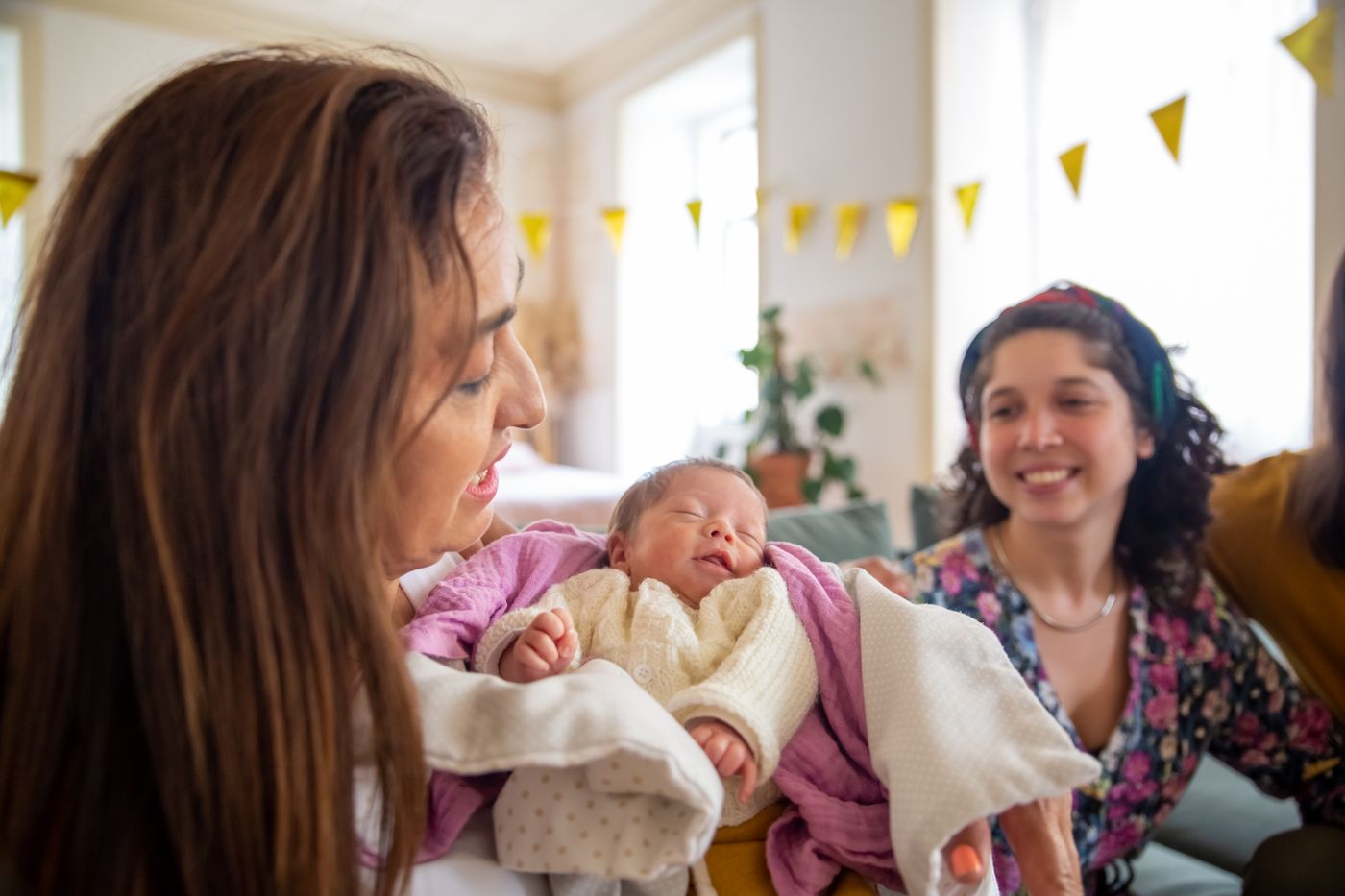
To protect families and advance the care professions by independently accrediting the programs that train them.
Every year, thousands of people enter non-clinical care work: birth and postpartum doulas, newborn care specialists, lactation educators, perinatal mental health supporters, pregnancy fitness instructors, and increasingly, end-of-life doulas and menopause coaches. The training they receive ranges from excellent to negligible, and until now there has been no neutral body to tell the difference.
ICPCAS was formed to be that body. We write and publish the standards a program should meet, we review programs against those standards through documented self-study and independent review, and we make the results public. We do not train practitioners and we do not certify individuals. Our only product is a trustworthy judgment about the programs that do.
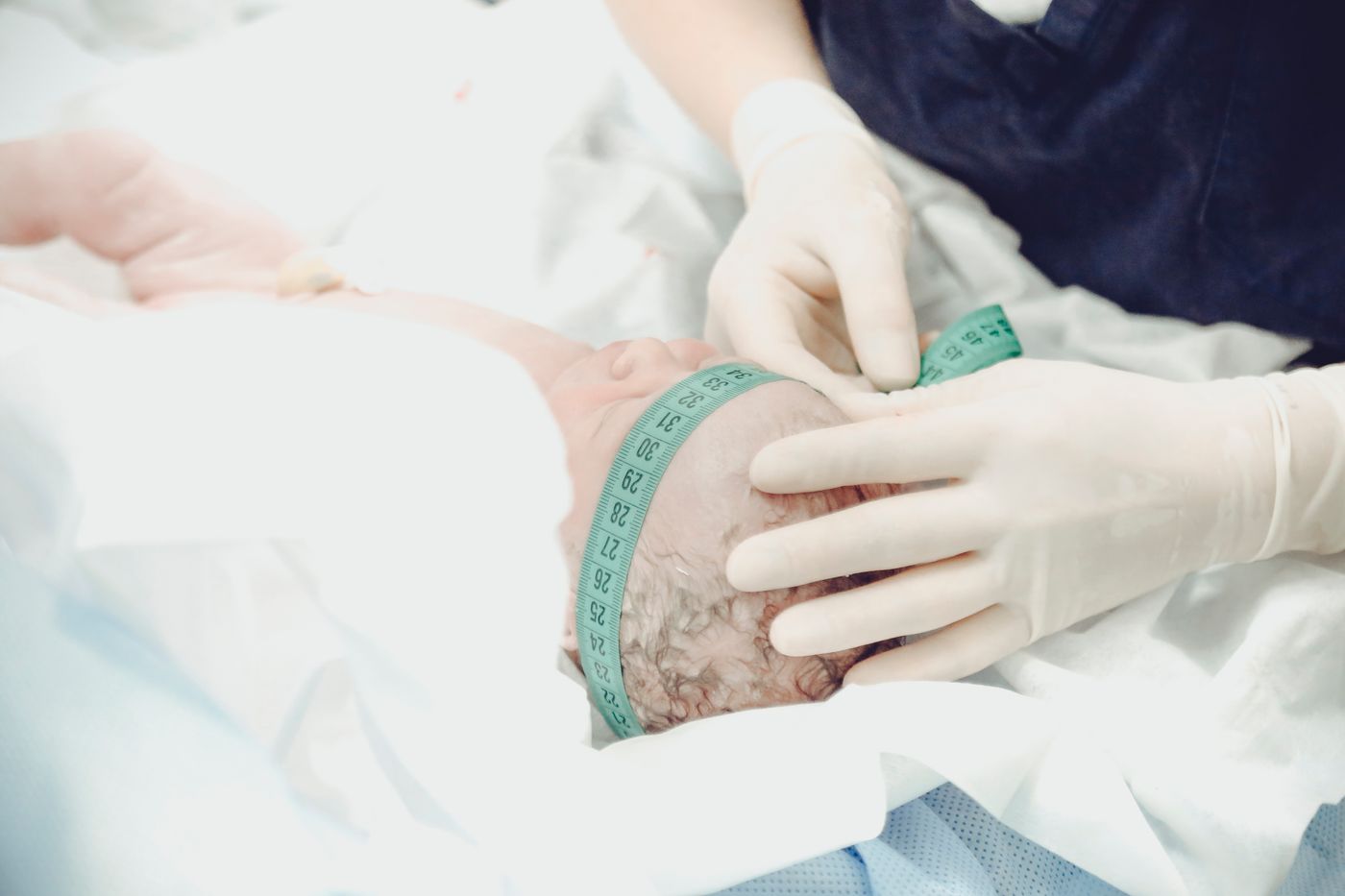
Three functions, one purpose
Set published standards
Standards for curriculum, instructor qualification, scope-of-practice boundaries, assessment, student protection and continuous improvement, developed with practitioners, educators, employers and the public, and revised on a fixed cycle.
Evaluate programs independently
Programs apply voluntarily, complete a self-study, and are reviewed by trained reviewers with no stake in the outcome. An Accreditation Review Committee of the Commission makes the decision, with written findings and a right of appeal.
Inform the public
Every accreditation action is published. Families, employers, insurers and students can verify a program's status in our directory and read the standards it was held to.
A care workforce the public can trust across the whole lifespan
We started where the need is sharpest, in the perinatal period, but care does not stop at the newborn. Our standards are written to extend, division by division, from preconception to the end of life.


What every decision is measured against

A credential should carry information
Without accreditation, a certificate tells a family only that someone paid for a course. It says nothing about how many hours of instruction it involved, whether the instructor was qualified, whether scope-of-practice boundaries were taught, or whether anyone outside the school ever checked.
Accreditation changes what the certificate means. It gives employers and health systems a defensible basis for hiring, gives insurers and public programs a basis for reimbursement, gives students a basis for choosing a program, and gives serious training providers a way to be distinguished from the rest.
About our mission
Is ICPCAS a certification body?
No. Certification is granted to individuals; accreditation is granted to programs. ICPCAS accredits the educational and certification programs that train and credential practitioners. We never issue credentials to individual practitioners, and a program's accreditation is not a credential for its graduates.
Who is ICPCAS accountable to?
To the public, through a Board of Commissioners that includes public members with no financial interest in care training, published bylaws and policies, an independent appeals process, and annual public reporting. See Governance & Independence for the full structure.
Why “international”?
The care professions are not organized by national borders, and many programs teach in more than one language or country. ICPCAS standards are written to be applied anywhere, with reviewers drawn from the regions and languages of the programs under review. Accreditation never substitutes for a licensing or legal requirement in any jurisdiction.
What disciplines do you accredit today?
Our first division covers perinatal care: birth doula, postpartum doula, newborn care specialist, lactation educator, childbirth educator, perinatal mental health support and pregnancy fitness instruction. Divisions for end-of-life doula and menopause coaching programs are in development; standards for each are published for public comment before adoption.
Does accreditation guarantee a practitioner is competent?
It cannot. Accreditation tells you the program that trained a practitioner met published standards for curriculum, instruction, assessment and ethics. Individual competence is the program's responsibility to assess and the practitioner's to maintain. Accreditation raises the floor; it is not a ceiling.
How is ICPCAS funded?
Through application and annual sustaining fees paid by programs, published on our Fees page, and through grants and gifts that are disclosed in our annual report. Fees are set to cover the cost of review and are never contingent on the outcome of a decision.
Who governs the Commission, and how its independence is kept
The mission is only as credible as the structure behind it.