
A certificate should tell you something.
Right now, a doula or newborn-care certificate tells a family only that someone finished a course. ICPCAS accreditation adds the one fact that matters: an independent body reviewed the program against published standards and found it met them.
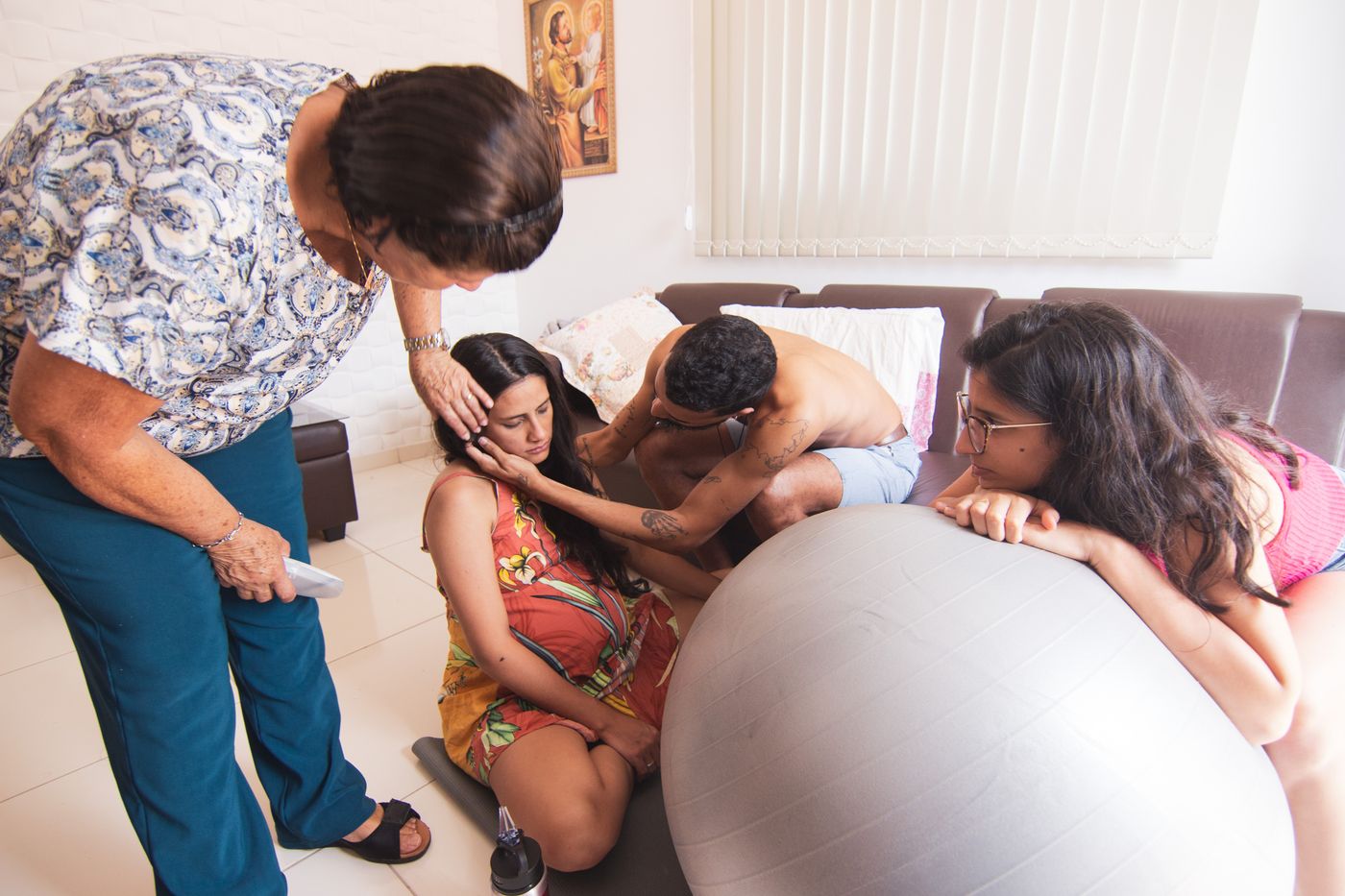
Non-clinical care has grown faster than the ability to judge it
Hospitals now place doulas on labor floors. State Medicaid programs reimburse doula and lactation support. Agencies hire newborn care specialists into private homes with infants days old. Each of those decisions depends on a credential, and each credential depends on a training program nobody outside that program has ever examined.
The result is a market where a 400-hour program with supervised practice and a weekend webinar can issue certificates that look the same. Good programs cannot prove they are good. Employers cannot tell. Families pay the difference.
Accreditation is the mechanism every other health-adjacent profession uses to solve this, from nursing to massage therapy to medical assisting. ICPCAS brings it to the care professions.

Two certificates. Only one carries information.
- ?Hours of instruction unknown; may be 8 or 400
- ?Instructor qualifications unverified
- ?No assessment of competence, or none anyone checked
- ?Scope-of-practice boundaries may not have been taught
- ?No complaints process, refund policy or student protections
- ?Nobody outside the school has seen the curriculum
- ✓Minimum instructional hours and supervised practice, verified
- ✓Instructors meet published qualification standards
- ✓Competence assessed with a documented, valid method
- ✓Scope, ethics and referral taught and tested
- ✓Student protections, grievance and refund policies in place
- ✓Reviewed by independent evaluators; status verifiable in the public directory
One review, three audiences
Programs
- Be distinguished from the webinar down the street
- Listed in the public directory employers and families search
- Qualify for health-system contracts and state approval lists that require accreditation
- An outside review that strengthens the program itself
- Use of the ICPCAS Accredited mark on certificates and marketing
Employers, health systems & payers
- A defensible, documented basis for hiring and credentialing
- One standard across doula, newborn care, lactation and perinatal mental health roles
- Instant verification of any program's status
- A complaints channel when a credential does not hold up
- Alignment with reimbursement and compliance requirements
Students & families
- Know before you pay that a program meets published standards
- Protection from refund disputes and unresolved complaints
- Credentials that travel across employers and states
- Confidence that the person in your home or birth room was trained in scope and ethics
- A place to verify any claim of accreditation

Eight domains, one published standard
Curriculum & hours
Instructor qualifications
Assessment of competence
Scope, ethics & referral
Supervised practice
Student protections
Equity & language access
Governance & improvement
What accreditation is, and what it is not
It is voluntary and earned
Programs apply because they want to be held to a standard. Some are denied; some are granted with conditions. The public register shows every outcome.
It is not a certification
ICPCAS accredits programs, never individuals. A graduate's credential comes from the program; accreditation tells you what that credential was built on.
It is not a license
Accreditation does not replace any state or national requirement to practice. Where licensing exists, it governs. Accreditation adds assurance on top.



About why accreditation matters
Our graduates already get hired. Why would we need this?
Because the market is changing underneath you. Health systems, Medicaid programs and agencies are writing accreditation into their requirements, and once they do, unaccredited programs stop appearing on their lists regardless of quality. Accreditation is how a good program proves it is good to someone who has never met you.
Is this just a pay-to-play badge?
No. Fees are fixed and published, paid before review, and do not change with the outcome. Programs are denied. Decisions are made on a written record by reviewers with no stake in the result, and every outcome is published. See Governance & Independence.
How is this different from a trainer-approval program run by a certifying organization?
Several certifying bodies approve trainers to teach their own curriculum. That is useful, but it is self-review: the organization approves programs that teach its material and feed its certification. ICPCAS is independent of every curriculum and every certifying body, accredits across all of them against one public standard, and publishes its governance.
Will accreditation change what we teach?
It will require that what you teach is documented, delivered by qualified instructors, assessed, and bounded by a clear scope of practice. It does not prescribe a curriculum or a philosophy of care. Community-rooted, culturally specific and multilingual programs are explicitly within scope of the standards.
What does it signal to a family?
That someone outside the school checked. That the practitioner was taught where their role ends and a clinician's begins. That if something goes wrong, there is a complaints process with teeth. Families can verify any claim of ICPCAS accreditation in the directory.
Does accreditation apply outside the United States?
Yes. The standards are written to apply in any country and any language of instruction, and reviewers are drawn from the regions and languages of the programs under review. Accreditation never substitutes for a local legal requirement.
Find out in ten minutes whether your program is eligible
The eligibility review is free and does not commit you to an application.